📉 2025 Snapshot: Student Drop + Rising Vacancies
- Recent data show that international student enrollment fell by about 17% nationwide in fall 2025, affecting Massachusetts colleges significantly.
- As a result, neighborhoods that depend heavily on student tenants — such as areas near major universities — saw a spike in vacancies. For example, rental‑listing platforms report that vacancy rates in some student‑heavy districts more than doubled compared with prior years.
- At the citywide level, the average asking rent in Boston dipped to $3,043 in October 2025, its first decline since 2021.
These shifts suggest a changing dynamic: demand softening in student‑heavy markets while overall rental availability creeps up. 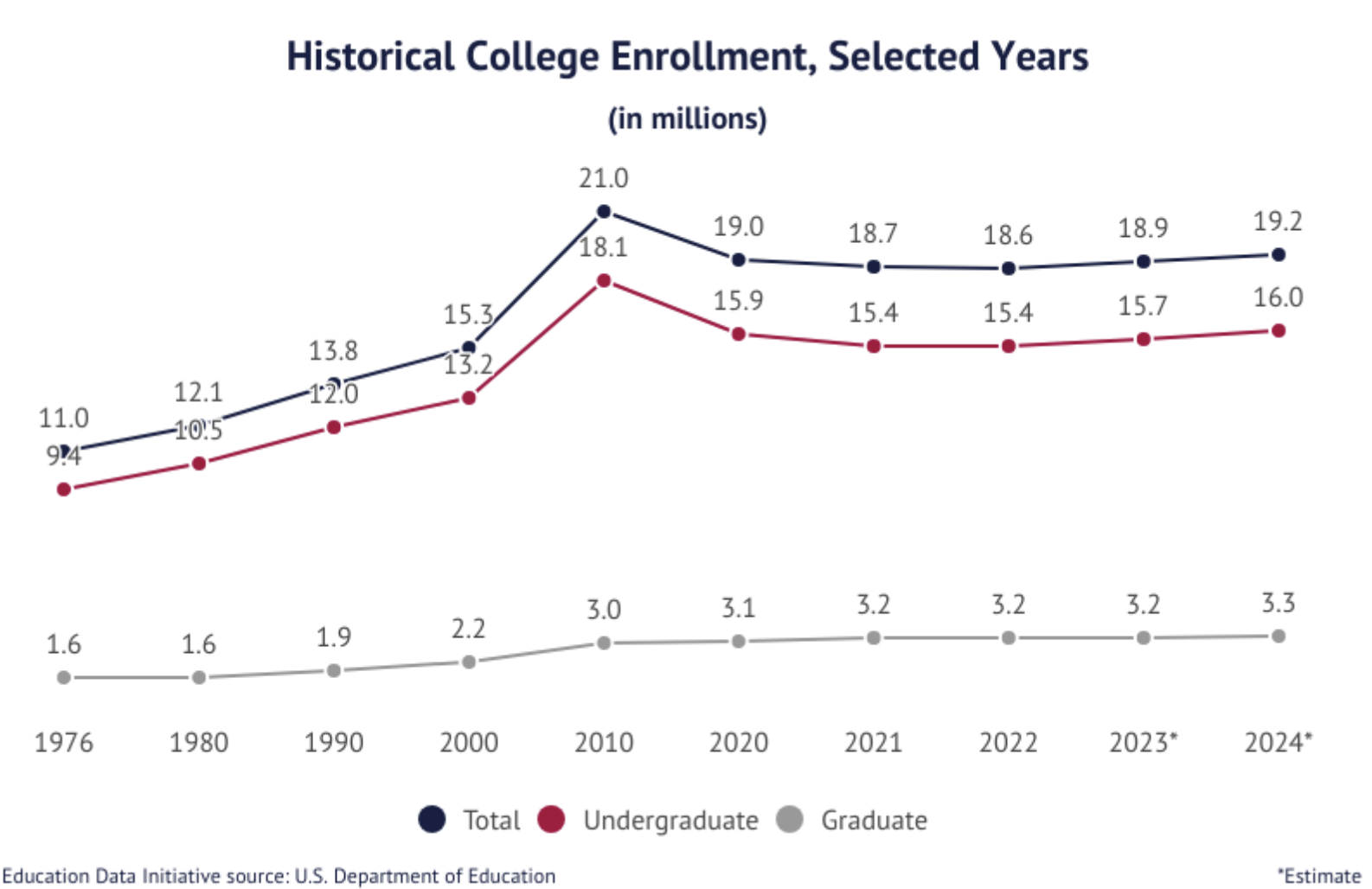
📊 Map & Neighborhood-Level Trends
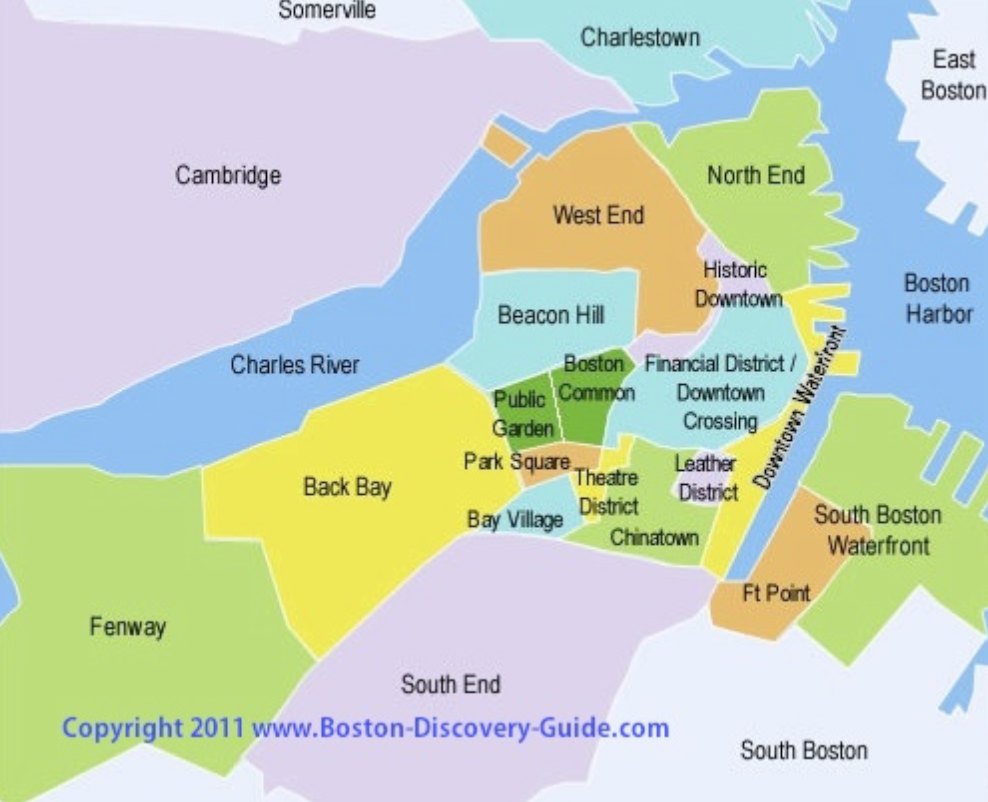
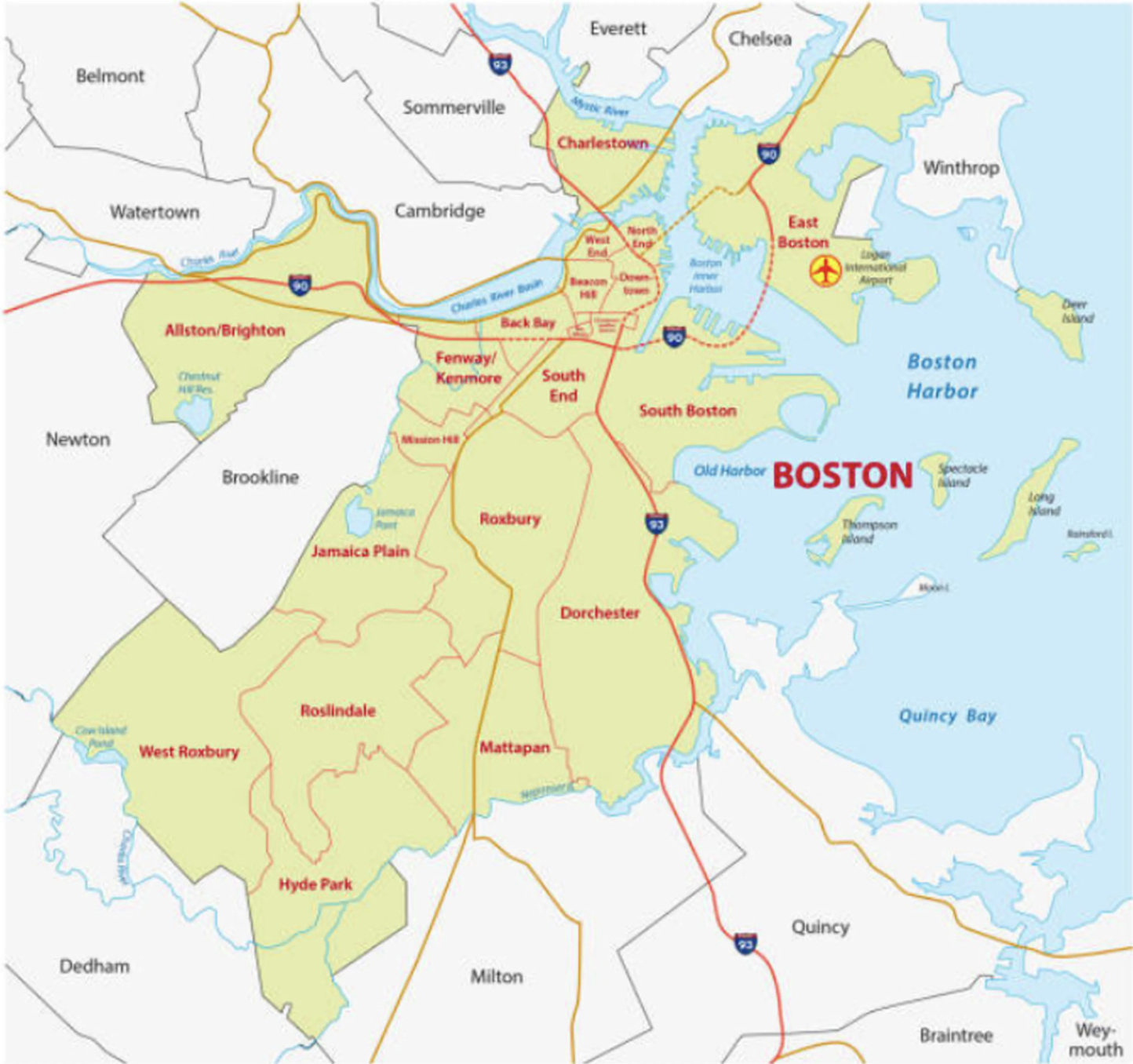 Using the map above, here’s how I expect various sub‑markets to behave in 2026 — depending on their tenant base and local demand:
|
Area / Neighborhood Type |
Expected 2026 Trend |
Why / Key Considerations |
|
Student‑heavy zones (near major colleges/universities) — e.g., Mission Hill, some Cambridge/Somerville clusters |
↘ Lower demand / Increased vacancy → easier for renters to negotiate |
Fewer international/domestic student leases; landlords may need concessions or rent reductions |
|
Mixed / Workforce‑oriented neighborhoods — parts of Boston beyond campus enclaves, parts of Medford, outer Cambridge/Somerville |
→ Stable to modest growth |
Steady demand from professionals, families, long‑term renters, rather than students |
|
Mid-market rentals (2‑br, 3‑br units) across Greater Boston |
↗ Slight rent growth possible |
As supply tightens vs demand from workers, affordable mid‑units remain in demand |
|
Premium/luxury rentals |
→ Softened demand; incentives likely |
Oversupply risk: landlords may need to offer perks or price adjustments |
🔮 2026: Three Forecast Models
1. Optimistic — Stabilization & Modest Growth
- What happens: Demand rebounds as workforce renters and non‑student tenants fill the gap.
- Outcome: Rent increases of 2–4% overall; stable occupancy — especially outside student‑heavy zones.
2. Baseline — Mixed Stability, Slight Softness in Student Areas
- What happens: Overall demand remains balanced; student‑heavy zones remain soft, but other neighborhoods compensate.
- Outcome: Rents broadly flat citywide, with 1% to +1% changes depending on location.
3. Conservative — Soft Market with Possible Rent Declines in Student Zones
- What happens: Student demand remains low; some landlords convert to long‑term rentals, but overall absorption is slow.
- Outcome: Rent drops of 1–5% in the most impacted areas; stable or slight growth elsewhere.
My Prediction as a Realtor-
For 2026, I believe we are likely to see Scenario B — a partial recovery/mixed stabilization:
-
Given the sharp drop in new international students in late 2025, it’s unlikely colleges will return to prior enrollment volumes immediately.
-
Local/domestic demand and non-student renters (young professionals, workers relocating) will likely fill some of the gap — especially given Boston’s continuing job market in biotech, healthcare, and education.
-
This means some neighborhoods — especially those heavily dependent on student renters — may see softer rental demand or more rental concessions. But areas with diversified tenant bases (young professionals, families, non‑students) should remain stable or even grow.
🎯 What This Means for Renters & Landlords
For Renters
- Opportunity to negotiate: With higher vacancy and softer demand in student‑heavy areas, potential landlords may offer concessions or lower rents.
- Look beyond campus zones: Mixed‑use neighborhoods (with professionals, families, long‑term renters) may offer better stability.
- Flexible timing matters: Moving off‑peak (winter/early spring) could yield better deals as supply remains elevated.
For Landlords & Investors
- Diversify the tenant base: Don’t rely solely on student renters — targeting professionals and long‑term tenants may pay off.
- Price realistically: In areas hit hardest by vacancies, aggressive pricing may backfire.
- Incentivize leases: Consider concessions, upgrades, or flexible terms to attract reliable tenants.
✨ Final Take — 2026 Could Be a Turning Point
2025’s drop in student enrollment and rising vacancy rates shook up Boston’s rental market — but that shake‑up is also creating opportunity. For renters, it could mean better leverage and options. For conscientious landlords, it could mean a fresh chance to attract stable tenants by adjusting strategy.
2026 may well mark a shift from a student‑driven rental market to a more diversified, workforce‑driven rental ecosystem. For investors and renters alike, staying informed and strategically positioned will be key.
If you are a landlord, Tenant, or investor looking to expand your portfolio, contact me, and I can help address your needs and concerns promptly. Contact Me



Leave a Reply